





















The Urgent Need for an Independent Inspection of Water Management on Ilha Brava, Which May Be Facing Both Shortages and Allegations of Favoritism
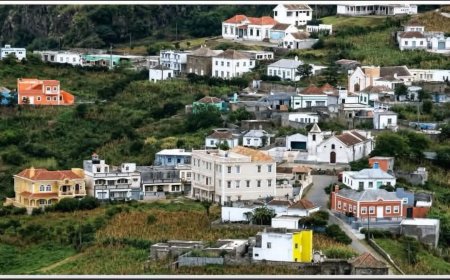
Nova Sintra, June 6, 2026 (Bravanews) - Brava Island is facing one of the most critical moments in its recent history regarding its water supply. However, the public debate surrounding the crisis has taken a more serious turn: the population and local stakeholders point out that the current problem may not be solely due to the lack of rain or the amount of water available in the springs, but rather to serious failures in management and distribution, as well as indications of favoritism. Against this backdrop, there is a growing public outcry for an urgent and rigorous independent audit and inspection of the system managed by Águabrava (Inter-Municipal Water Company).
Since Águabrava is an intermunicipal public company—owned exclusively by the municipal councils of the islands of Fogo (São Filipe, Mosteiros, and Santa Catarina) and Brava—the management of this precious resource carries an increased political and social responsibility. Since it involves public funds and a resource essential to survival, transparency should be the company’s cornerstone. However, the prevailing sentiment on the island is one of helplessness and mistrust.
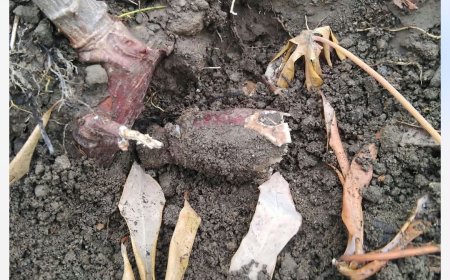
Although Cape Verde has historically suffered from cyclical droughts, reports coming from Brava indicate that the current dire situation is exacerbated by unequal and inefficient distribution. Farmers watch their crops wither and their livestock die of thirst, while livestock farmers and ordinary citizens face days on end of empty taps, without a clear schedule or plausible technical justifications from the company’s local office.
The crux of the matter lies in strong suspicions and evidence of favoritism in water distribution. Local complaints suggest that the scarce water resources available are being channeled primarily or disproportionately to certain sectors or individuals, to the detriment of the majority of the population and small-scale farmers who depend on the land to survive. When access to a vital public good comes to be perceived as a privilege rather than a fundamental right, the bond of trust between citizens and institutions is broken.
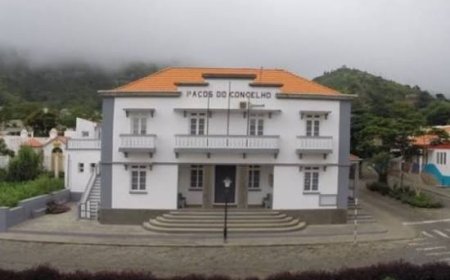
As owners of Águabrava, the municipal councils cannot shirk their regulatory and oversight responsibilities. The Brava Municipal Council, in particular, has a duty to defend the interests of the residents who elected it. Institutional silence or complacency in the face of repeated complaints from civil society and farmers reinforces the perception that there is political cover for the company’s management failures.
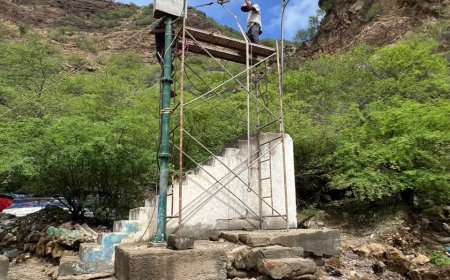
An independent, external inspection is therefore not an attack on the company, but the only mechanism capable of bringing the truth of the facts to light. This technical and financial audit would need to thoroughly assess the actual water intake capacity to accurately determine the volume of water produced daily on the island. It would also be essential to analyze the distribution map, cross-referencing pumping data with consumption and supply records by zone, in order to detect deviations or preferential treatment in the distribution network. Finally, the audit should focus on financial and human resources management to determine whether resources are being allocated to infrastructure maintenance and whether the local delegation possesses impartial technical expertise.
The patience of the people of Brava has run out. Recent cases of farmers facing legal proceedings after publicly denouncing their difficulties on social media only add fuel to the fire, turning a supply crisis into a debate about freedom of expression and institutional overreach.
Civil society now demands that the central government, through the Ministry of Agriculture and the Environment or the Directorate-General for the Environment, in consultation with the shareholder municipalities, take drastic measures to put an end to this situation. Due to its dual insularity and socioeconomic vulnerability, Brava Island cannot afford to see its rural economy dismantled by human failings and favoritism. Water on Brava must be managed according to strictly technical, humanitarian, and social justice criteria, lest it accelerate the depopulation and economic suffocation of the region.
MS